As a Special Education teacher, IEP advocate, and parent advocate, one of the most common questions I hear from families is, “How do I know if my child needs special education services?” It is an important question, and one that many parents struggle with. Every child develops at their own pace, but there are times when ongoing challenges may signal the need for additional support.
Recognizing these signs early can make a meaningful difference in a child’s academic, social, and emotional development. The good news is that parents do not need to have all the answers. Understanding what to look for and knowing the next steps can help you make informed decisions for your child.
Every Child Learns Differently
Before discussing specific signs, it is important to remember that children develop at different rates. Some students need extra time to master certain skills, while others may learn in unique ways that require different teaching approaches.
Needing support does not mean a child is less capable. In fact, many students who receive special education services have tremendous strengths. The goal of special education is not to label a child. The goal is to provide the tools, services, and accommodations necessary for success.
When parents begin to notice patterns of difficulty that persist over time, it may be worth exploring whether additional support is needed.
Academic Struggles That Continue Over Time
One of the most common signs that a child may benefit from special education services is ongoing academic difficulty despite receiving regular classroom instruction.
A child may consistently struggle with reading, writing, spelling, math, or following directions. You may notice that homework takes significantly longer than expected or that your child becomes frustrated with school tasks on a regular basis.
Teachers may also report that your child is falling behind classmates, even after receiving extra help and interventions.
Occasional struggles are normal. However, when difficulties continue over an extended period and interfere with learning, further evaluation may be appropriate.
Challenges With Communication
Communication skills play a major role in a child’s success both inside and outside the classroom.
Some children may have difficulty expressing their thoughts, understanding spoken language, following conversations, or communicating their needs. Others may have delayed speech development or struggle with social communication.
When communication challenges affect learning, relationships, or daily functioning, they may warrant additional assessment and support services.
Parents are often the first to notice these concerns because they see how their child communicates in a variety of settings.
Behavioral and Emotional Concerns
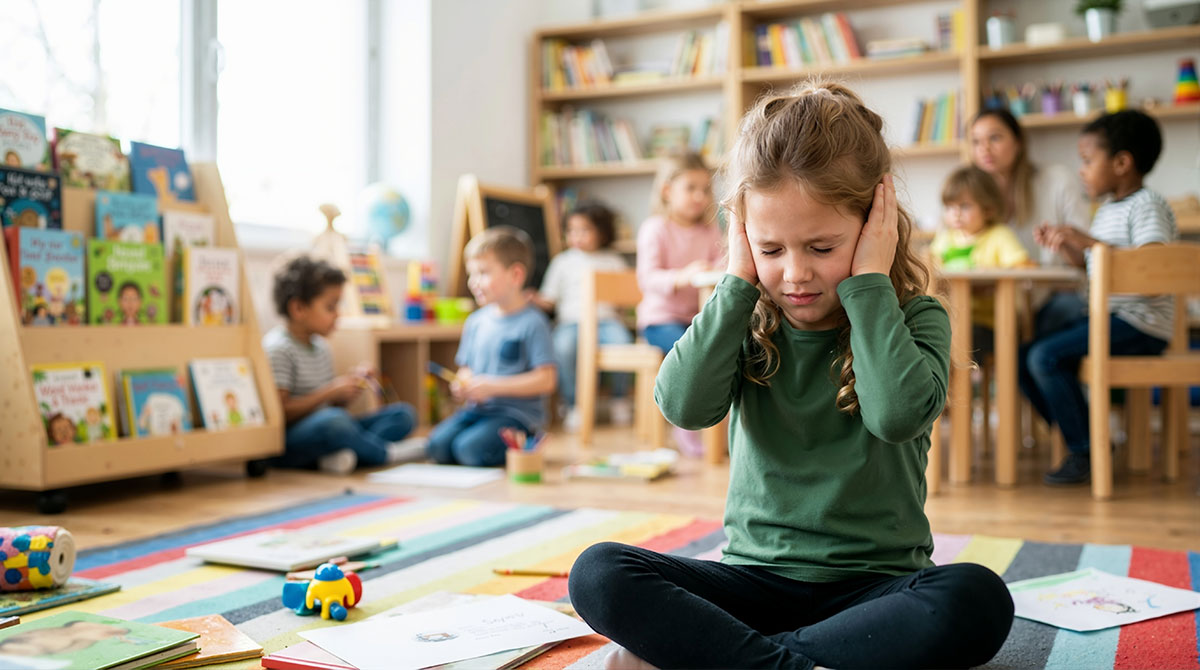
Behavioral challenges can sometimes indicate underlying learning or developmental needs. Frequent emotional outbursts, difficulty following routines, impulsive behavior, extreme frustration, or challenges with self-regulation may be signs that a child needs additional support.
It is important to look beyond the behavior itself and consider what may be causing it. In many cases, behaviors are a form of communication. A child who struggles academically or socially may express frustration through behavior.
This does not automatically mean special education services are needed, but it does suggest that further investigation may be helpful.
Difficulty With Social Skills
Many parents become concerned when their child has trouble making friends or participating in social activities.
Some students may struggle to understand social cues, maintain conversations, work cooperatively with peers, or adapt to changes in routine. Others may prefer to isolate themselves or experience significant anxiety in social situations.
Social development is an important part of education. Difficulties in this area can affect academic performance, classroom participation, and overall well-being.
When social challenges consistently interfere with daily functioning, it may be beneficial to seek professional guidance.
Developmental Delays
Developmental delays can appear in a variety of areas, including language, motor skills, cognitive development, and daily living skills.
Parents may notice that their child is not reaching developmental milestones at the same pace as peers. While every child develops differently, significant delays should not be ignored.
Early identification and intervention often lead to better outcomes because support can begin before challenges become more significant.
What Parents Should Do Next
If you have concerns about your child’s development or academic progress, start by gathering information. Speak with your child’s teacher and ask specific questions about classroom performance, behavior, and social interactions.
Teachers can often provide valuable insight into patterns they observe during the school day.
Keep records of your concerns, including examples of difficulties you have noticed at home. Documentation can help create a clearer picture when discussing your child’s needs with educators and specialists.
Requesting an Evaluation
One of the most important rights parents have is the ability to request an evaluation for special education services.
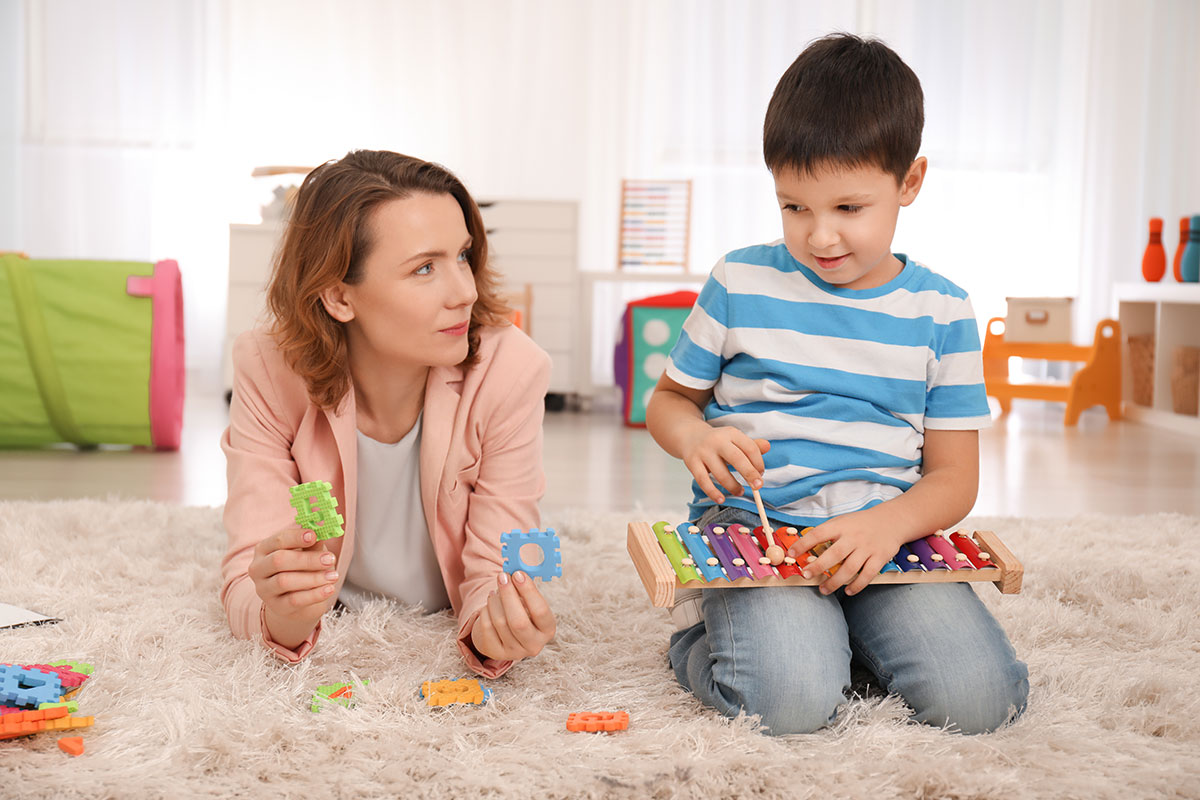
A comprehensive evaluation helps determine whether a child qualifies for support and identifies areas of strength and need. The evaluation process may include academic testing, observations, speech assessments, behavioral assessments, and other measures depending on the concerns being addressed.
Parents should never feel hesitant about requesting information or asking questions throughout the process.
An evaluation does not automatically result in special education services. Instead, it provides valuable information that can guide educational decisions.
Trust Your Instincts as a Parent
Throughout my years in special education, I have seen many situations where parents noticed concerns long before anyone else. Parents know their children better than anyone.
If something does not seem right, trust your instincts and seek answers. Being proactive is not overreacting. It is an important part of advocating for your child’s success.
The earlier concerns are identified and addressed, the more opportunities there are to provide meaningful support.
Final Thoughts
Recognizing the signs that a child may need special education services can feel overwhelming, but it is also the first step toward finding solutions. Academic struggles, communication difficulties, behavioral concerns, social challenges, and developmental delays are all areas that deserve attention when they persist over time.
As a Special Education educator and advocate, I encourage parents to stay informed, ask questions, and work collaboratively with their child’s school. Support begins with understanding, and understanding begins with paying attention to the signs.
Every child has the potential to learn, grow, and succeed. Sometimes they simply need the right support system in place to help them reach that potential.